
From Slicing to Shredding: How to Master Your Food Processor Like a Pro Chef
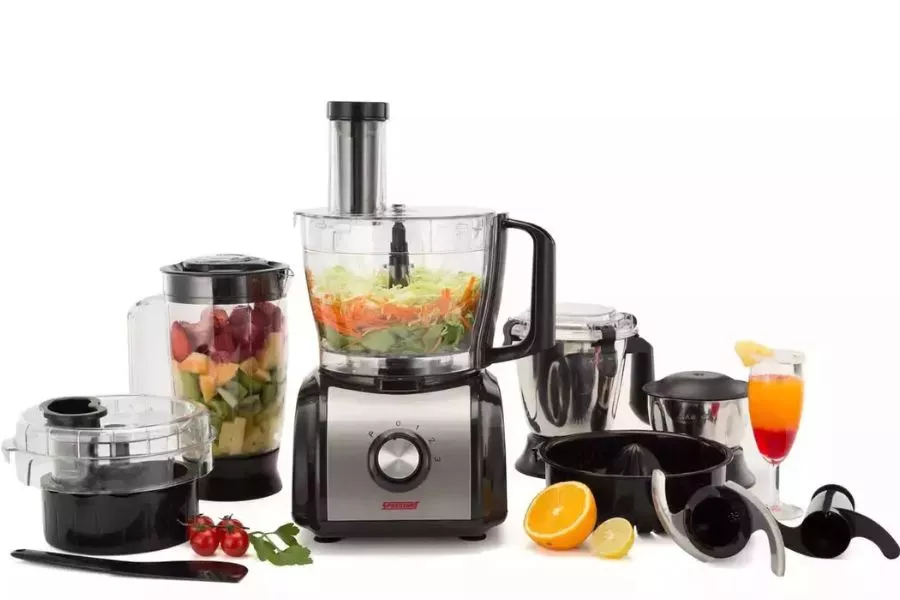
Food Processor
Are you tired of spending hours in the kitchen slicing and shredding ingredients by hand? Enter the food processor – a versatile kitchen gadget that can save you time and effort in the kitchen. However, mastering the art of using a food processor can be a daunting task for many home cooks. That’s where we come in. As a highly skilled assistant who specializes in all forms of digital marketing, including content writing, we’ve got you covered. In this article, we’ll show you how to take your food processor game to the next level, from choosing the right blades to processing different types of ingredients. Whether you’re a seasoned chef or a novice cook, our tips and tricks will help you use your food processor like a pro and take your culinary skills to new heights. So, grab your food processor and let’s get started!
Types of Food Processors and Their Features
Before you start using your food processor, it’s important to know the different types of food processors and their features. There are two main types of food processors: mini processors and full-sized processors.
Mini processors are smaller in size and are perfect for small jobs like chopping herbs, nuts, and garlic. They have a capacity of about 2-4 cups and are easy to store. Full-sized processors, on the other hand, are larger and can handle bigger jobs like shredding cheese, kneading dough, and pureeing soups. They have a capacity of about 7-16 cups and come with a wider range of blades and discs.
When choosing a food processor, it’s important to consider the features that will be most useful to you. Look for processors with a powerful motor, a wide feed tube, and a range of blades and discs. Some processors also come with additional attachments like a dough blade, a citrus juicer, or a blender attachment. Consider your cooking needs and choose a processor that will be versatile enough to handle all your kitchen tasks.
Benefits of Using a Food Processor
Using a food processor has many benefits. First and foremost, it can save you a lot of time and effort in the kitchen. With a food processor, you can chop, shred, and puree ingredients in a matter of seconds. This means you can spend less time prepping and more time cooking.
Another benefit of using a food processor is that it allows you to achieve consistent results. When you chop or shred ingredients by hand, it’s difficult to get uniform pieces. With a food processor, you can ensure that all your ingredients are the same size, which can help with even cooking and better presentation.
Using a food processor can also help you get creative in the kitchen. With a range of blades and discs, you can create different textures and shapes with your ingredients. This can help you add variety and interest to your dishes.
Understanding the Different Blades and Discs
When it comes to using a food processor, understanding the different blades and discs is essential. Here are some of the most common blades and discs and how to use them:
- S-blade: The S-blade is the most common blade and is used for chopping, pureeing, and mixing. It’s great for things like making pesto, hummus, or salsa.
- Shredding disc: The shredding disc is used for shredding ingredients like cheese, cabbage, or carrots. It’s great for making coleslaw or shredding cheese for pizzas or tacos.
- Slicing disc: The slicing disc is used for slicing ingredients like potatoes, cucumbers, or onions. It’s great for making salads or slicing vegetables for stir-fries.
- Dough blade: The dough blade is used for kneading dough. It’s great for making bread, pizza dough, or pasta dough.
When using your food processor, make sure to read the instructions carefully and follow the manufacturer’s recommendations for each blade and disc. This will help you achieve the best results and avoid damaging your machine.
Chopping and Pureeing Like a Pro
Now that you know the different blades and discs, it’s time to start using your food processor. Here are some tips for chopping and pureeing like a pro:
- Start with dry ingredients: When chopping or pureeing ingredients, it’s important to start with dry ingredients. This will help you achieve a more even texture and prevent your ingredients from sticking to the blade.
- Use the pulse function: When chopping or pureeing, it’s best to use the pulse function. This will help you achieve a more even texture and prevent over-processing.
- Don’t overfill the bowl: When using your food processor, make sure not to overfill the bowl. This can cause the machine to stall or not process your ingredients evenly.
- Use cold ingredients: When making things like pie crust or pastry dough, it’s important to use cold ingredients. This will help you achieve a flakier texture and prevent your dough from becoming too sticky.
With these tips, you’ll be chopping and pureeing like a pro in no time.
Recipes to Try with Your Food Processor
Now that you’re a pro at using your food processor, it’s time to start putting it to use. Here are some recipes to try:
- Hummus: Combine chickpeas, tahini, lemon juice, garlic, and olive oil in your food processor and pulse until smooth. Serve with pita chips or vegetables.
- Coleslaw: Shred cabbage, carrots, and apples using your food processor’s shredding disc. Mix with mayonnaise, vinegar, and sugar for a delicious coleslaw.
- Pie crust: Combine flour, salt, butter, and ice water in your food processor and pulse until a dough forms. Use for your favorite pie recipe.
- Basil pesto: Combine basil, garlic, pine nuts, and Parmesan cheese in your food processor and pulse until smooth. Stream in olive oil while pulsing until desired consistency is reached.
- Cauliflower rice: Cut cauliflower into florets and pulse in your food processor until it resembles rice. Use as a low-carb substitute for rice in your favorite dishes.
Conclusion
Using a food processor can be a game-changer in the kitchen. With the right blades and discs, you can chop, shred, and puree ingredients in a matter of seconds. By following our tips and tricks, you’ll be using your food processor like a pro in no time. So, grab your food processor and start experimenting with new recipes and techniques. Your taste buds (and your arms) will thank you.






At Liebon, we believe in empowering consumers with accurate information to make informed purchasing decisions. Our mission is to simplify the product comparison process, providing comprehensive reviews and insightful guides to help our readers find the best products that suit their needs and preferences.


