
Embracing an Active Lifestyle: The Evolution and Impact of Sports and Activewear
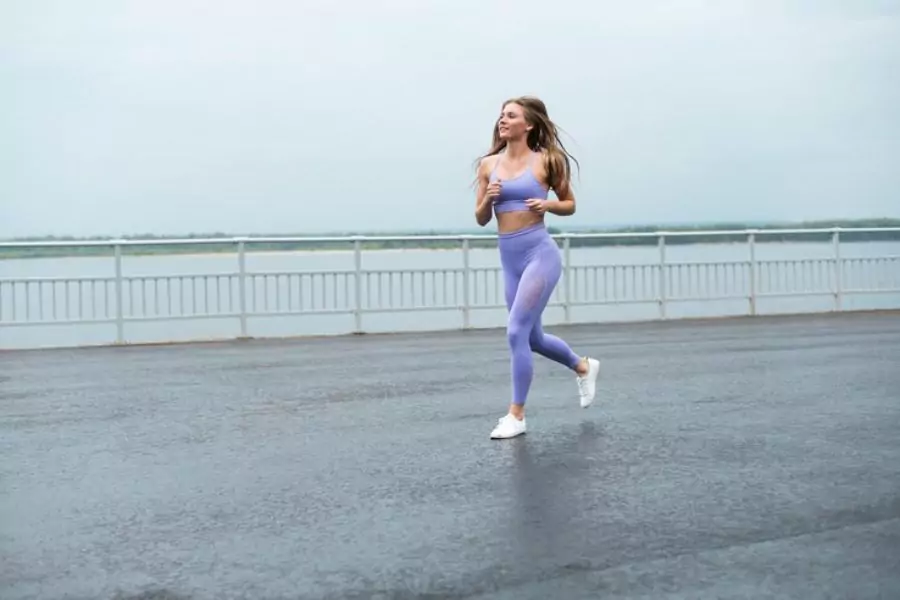
Sports and Activewear | Liebon
In today’s fast-paced world, the importance of maintaining an active lifestyle cannot be overstated. Whether you’re hitting the gym, going for a run, practicing yoga, or engaging in any other form of physical activity, the right clothing can make a significant difference in your performance and overall experience. This brings us to the focal point of our discussion – Sports and Activewear.
The Evolution of Sports and Activewear
From Basic to Performance-enhancing
The history of sports and activewear can be traced back to the early 20th century when the emphasis was primarily on functionality rather than fashion. Athletes wore simple, loose-fitting garments made from cotton or wool. As sports science advanced and athletes pushed their limits, the demand for specialized clothing grew.
In the 1970s, the fitness craze brought about a significant shift in activewear design. With the rise of jogging and aerobics, sportswear became more stylish and form-fitting. The introduction of synthetic materials like spandex and nylon allowed for greater flexibility and moisture-wicking capabilities, revolutionizing the comfort and performance of activewear.
Technological Advancements in Fabrication
The 21st century witnessed a technological revolution in activewear materials. Fabrics with moisture-wicking, antimicrobial, and thermal-regulation properties became the norm. Brands started incorporating advanced technologies such as compression gear to enhance blood circulation and reduce muscle fatigue. The marriage of fashion and function became more apparent as designers collaborated with athletes to create stylish yet performance-driven activewear.
Key Features of Sports and Activewear
1. Moisture-Wicking Fabrics
One of the most crucial aspects of activewear is its ability to wick away moisture. Whether you’re sweating it out at the gym or running a marathon, moisture-wicking fabrics draw sweat away from the body, keeping you dry and comfortable. Polyester blends and microfiber materials are commonly used for this purpose, ensuring that the fabric doesn’t become saturated, leading to chafing or discomfort.
2. Compression Technology
Compression wear has become increasingly popular in the realm of sports and activewear. Designed to fit snugly against the skin, compression garments provide support to muscles, enhance blood circulation, and aid in muscle recovery. Athletes across various disciplines, from runners to weightlifters, swear by the benefits of compression technology in improving performance and reducing the risk of injuries.
3. Breathability and Ventilation
To keep the body cool during intense physical activities, activewear incorporates strategic ventilation panels and breathable mesh. These features allow air to circulate, preventing overheating and enhancing overall comfort. In the realm of activewear, breathability is not just a luxury but a necessity, especially for high-intensity workouts.
4. Versatility in Design
Sports and activewear have transcended the boundaries of the gym and sports arenas. The versatility in design allows individuals to seamlessly transition from their workout sessions to casual outings without compromising on style. The athleisure trend, which blurs the lines between athletic and casual wear, has gained immense popularity, making activewear a staple in many wardrobes.
The Impact of Activewear on Lifestyle
1. Motivation and Confidence Boost
The right activewear can do wonders for your mindset. When you look good, you feel good, and this principle applies to your workout attire as well. Stylish and well-fitted activewear can boost your confidence, motivating you to push your limits during workouts. The psychological impact of donning purpose-built activewear should not be underestimated.
2. Health and Performance Optimization
Sports and activewear are not just about aesthetics – they play a crucial role in optimizing health and performance. Whether it’s the support offered by compression garments, the comfort of moisture-wicking fabrics, or the breathability of well-designed apparel, the right activewear contributes to injury prevention, faster recovery, and improved overall performance.
3. Social and Cultural Influence
The cultural impact of sports and activewear is undeniable. The rise of fitness influencers and the prominence of activewear in social media have contributed to a global shift towards health and wellness. Activewear has become a symbol of an active lifestyle, and the cultural influence has spurred collaborations between fashion designers and athletic brands, resulting in innovative and trend-setting collections.
4. Sustainability in Activewear
As awareness of environmental issues grows, so does the demand for sustainable and eco-friendly activewear. Many brands are now incorporating recycled materials, organic fabrics, and ethical production practices into their offerings. The conscious consumer is driving a positive change in the activewear industry, emphasizing the importance of sustainability in fashion and fitness.
Choosing the Right Sports and Activewear
1. Consider Your Activity
Different activities require different types of activewear. Running, for example, demands lightweight and breathable fabrics, while weightlifting may benefit from compression gear. Consider the specific requirements of your chosen activity to ensure that your activewear enhances rather than hinders your performance.
2. Focus on Fit and Comfort
Regardless of the activity, the fit and comfort of your activewear are paramount. Ill-fitting clothes can cause discomfort, chafing, and may even impact your range of motion. Prioritize activewear that offers the right balance of snugness and flexibility, allowing you to move freely without any restrictions.
3. Pay Attention to Fabric Technology
Advancements in fabric technology have brought about a multitude of options for activewear. Whether it’s moisture-wicking, compression, or thermal-regulation properties, understanding the technology behind the fabric can help you make an informed decision based on your needs and preferences.
4. Style Matters
While functionality is key, there’s no reason why activewear can’t be stylish. The market is filled with a variety of designs, colors, and patterns to suit individual tastes. When you feel good about what you’re wearing, it adds an extra layer of enjoyment to your workouts.
Conclusion
Sports and activewear have come a long way from basic, utilitarian designs to the stylish and technologically advanced offerings available today. The fusion of fashion and function has not only transformed the way we approach fitness but has also become a cultural phenomenon influencing our lifestyle choices.
As we continue to prioritize health and wellness, the role of sports and activewear in our lives is only set to grow. Whether you’re a seasoned athlete, a fitness enthusiast, or someone embracing a more active lifestyle, the right activewear can make a significant difference in your journey towards a healthier and happier you. So, lace up those running shoes, slip into your favorite activewear, and let the transformative power of sports and activewear propel you towards a more active and fulfilling life.





At Liebon, we believe in empowering consumers with accurate information to make informed purchasing decisions. Our mission is to simplify the product comparison process, providing comprehensive reviews and insightful guides to help our readers find the best products that suit their needs and preferences.


