
The Comprehensive Guide to Leaf Blowers: Choosing the Right Tool for Your Yard

Leaf Blowers | Liebon
Leaf blowers have become an essential tool for homeowners and landscapers alike, offering a quick and efficient way to clear leaves, debris, and grass clippings from yards, driveways, and walkways. With so many options on the market, selecting the right leaf blower can be a daunting task. This guide will walk you through the various types of leaf blowers, their features, and how to choose the best one for your needs.
Understanding Leaf Blowers: The Basics
Leaf blowers are versatile tools that use a powerful stream of air to move leaves and debris. They come in various designs and power sources, each suited to different tasks and yard sizes. Before diving into the different types, it’s essential to understand the basics of leaf blowers.
Types of Leaf Blowers
There are several types of leaf blowers available, each designed for specific tasks and user preferences. Here’s an overview of the main types:
- Handheld Leaf Blowers: These are the most common type of leaf blowers, known for their portability and ease of use. They are ideal for small to medium-sized yards and are available in gas, electric, and battery-powered models.
- Backpack Leaf Blowers: Backpack leaf blowers are designed for larger yards and more demanding tasks. They offer more power than handheld models and are worn on the back, distributing the weight evenly and reducing fatigue.
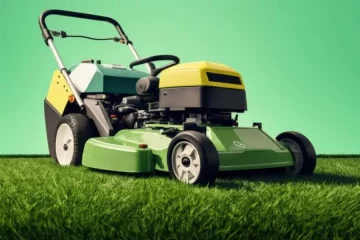
- Walk-Behind Leaf Blowers: Walk-behind leaf blowers are the most powerful type and are typically used for large properties or commercial use. They are mounted on wheels and pushed like a lawnmower, making them suitable for heavy-duty tasks.
- Cordless Leaf Blowers: Cordless leaf blowers are powered by rechargeable batteries, offering the convenience of mobility without the limitations of a cord. They are perfect for small to medium yards and areas where a power outlet may not be accessible.
- Gas-Powered Leaf Blowers: Gas-powered leaf blowers are known for their power and endurance, making them suitable for larger yards and heavy-duty tasks. However, they require regular maintenance and produce emissions.
- Electric Leaf Blowers: Electric leaf blowers are lightweight, easy to start, and environmentally friendly. They are available in both corded and cordless versions, making them versatile for various yard sizes.
Key Features to Consider
When choosing a leaf blower, it’s important to consider the key features that will impact its performance and usability. Here’s what to look for:
- Airflow (CFM and MPH): The power of a leaf blower is measured in cubic feet per minute (CFM) and miles per hour (MPH). CFM indicates the volume of air the blower can move, while MPH measures the speed of the air. Higher CFM and MPH numbers generally mean more power, but the best choice depends on your specific needs.
- Noise Level: Leaf blowers can be noisy, especially gas-powered models. If you live in a noise-sensitive area or prefer a quieter operation, consider choosing an electric or battery-powered leaf blower with a lower decibel rating.
- Weight and Ergonomics: The weight and ergonomics of a leaf blower are crucial for comfort during extended use. Handheld models should be lightweight and well-balanced, while backpack blowers should have comfortable straps and padding.
- Variable Speed Control: Variable speed control allows you to adjust the blower’s power based on the task at hand. This feature is particularly useful for delicate tasks like clearing flower beds or more demanding jobs like moving wet leaves.
- Run Time (for Battery-Powered Models): For cordless leaf blowers, battery life is a critical factor. Check the run time on a full charge and consider the battery’s recharge time to ensure it meets your needs.
Choosing the Right Leaf Blower for Your Yard
Selecting the right leaf blower depends on several factors, including the size of your yard, the type of debris you need to clear, and your personal preferences. Here’s how to choose the best leaf blower for your specific needs:
Assess Your Yard Size
The size of your yard plays a significant role in determining the type of leaf blower you need. Here’s what to consider:
- Small Yards: For small yards, a handheld electric or battery-powered leaf blower is usually sufficient. These models are lightweight, easy to maneuver, and perfect for quick clean-ups.
- Medium Yards: If you have a medium-sized yard, a more powerful handheld or backpack leaf blower may be necessary. Battery-powered models with longer run times or gas-powered blowers offer the right balance of power and convenience.
- Large Yards: For large properties, a backpack or walk-behind leaf blower is ideal. These models provide the power and endurance needed to tackle extensive areas and handle heavier debris like wet leaves and twigs.
Consider the Type of Debris
The type of debris you need to clear also influences your choice of leaf blower. Here’s how to match the blower to the debris:
- Dry Leaves and Grass Clippings: For light debris like dry leaves and grass clippings, most handheld or cordless leaf blowers will suffice. These materials are easy to move, so high power isn’t necessary.
- Wet Leaves and Heavier Debris: Wet leaves, twigs, and other heavier debris require more power. In this case, a gas-powered or high-powered electric blower with a high CFM rating is recommended.
- Snow: Some leaf blowers can also be used to clear light snow from driveways and walkways. If you plan to use your blower for this purpose, choose a model with high power and durable construction.
Evaluate Your Physical Capabilities
Your physical capabilities should also be a factor in choosing a leaf blower. Here’s how to find a model that suits your comfort level:
- Lightweight Options: If you have limited strength or mobility, consider a lightweight handheld leaf blower. These models are easier to carry and control, reducing the strain on your arms and back.
- Ergonomic Designs: Look for leaf blowers with ergonomic handles, padded straps, and balanced weight distribution. Backpack models should fit comfortably and evenly distribute weight to prevent fatigue.
- Noise Sensitivity: If you’re sensitive to noise, choose an electric or battery-powered leaf blower with a lower decibel rating. These models are quieter and can be used without ear protection in most cases.
Maintenance Tips for Leaf Blowers
Proper maintenance is essential to keep your leaf blower running efficiently and extend its lifespan. Here are some maintenance tips for different types of leaf blowers:
Gas-Powered Leaf Blowers
Gas-powered leaf blowers require regular maintenance due to their engines. Here’s what to do:
- Fuel: Use fresh, high-quality gasoline and the correct oil mixture for your leaf blower. Avoid using ethanol-based fuels, as they can damage the engine over time.
- Air Filter: Check and clean the air filter regularly. A clogged filter can reduce performance and increase fuel consumption.
- Spark Plug: Inspect the spark plug periodically and replace it if necessary. A worn or fouled spark plug can make the blower difficult to start and run inefficiently.
- Storage: When storing your gas-powered leaf blower for an extended period, drain the fuel tank or add a fuel stabilizer to prevent the fuel from going bad.
Electric and Cordless Leaf Blowers
Electric and cordless leaf blowers require less maintenance than gas-powered models, but there are still a few things to keep in mind:
- Battery Care: For cordless leaf blowers, charge the battery according to the manufacturer’s instructions and avoid letting it fully discharge. Store the battery in a cool, dry place when not in use.
- Cord Inspection: If you have a corded electric leaf blower, regularly inspect the power cord for damage. Replace any frayed or damaged cords to prevent electrical hazards.
- Motor Maintenance: Keep the motor housing clean and free of debris. Avoid using the blower in wet conditions, as this can damage the motor and electrical components.
Best Practices for Using Leaf Blowers
Using a leaf blower effectively requires some practice and attention to detail. Here are some best practices to help you get the most out of your leaf blower:
Plan Your Blowing Strategy
Before you start, plan the most efficient way to blow leaves and debris. Here’s how:
- Work with the Wind: Use the wind to your advantage by blowing leaves in the same direction as the wind. This reduces the effort needed and helps you move leaves more effectively.
- Start from the Edges: Begin blowing leaves from the edges of your yard or driveway and work your way toward the center. This prevents leaves from scattering back into areas you’ve already cleared.
- Pile Strategically: Blow leaves into manageable piles and then use a rake or tarp to collect and dispose of them. This method keeps your yard organized and reduces the time spent on cleanup.
Be Mindful of Noise and Neighbors
Leaf blowers can be noisy, so it’s important to be considerate of your neighbors and local noise ordinances. Here’s what to do:
- Use During Acceptable Hours: Avoid using your leaf blower early in the morning or late at night. Check your local regulations for specific noise restrictions.
- Use Ear Protection: Protect your hearing by wearing ear protection, especially when using a gas-powered leaf blower.
- Communicate with Neighbors: Let your neighbors know when you plan to use your leaf blower, especially if you have large areas to clear. This courtesy can help maintain good relationships.
Safe Operation
Operating a leaf blower safely is crucial to preventing accidents and injuries. Here’s how to stay safe:
- Wear Protective Gear: Always wear eye protection, gloves, and long sleeves to protect yourself from debris. If using a gas-powered blower, consider wearing ear protection and a dust mask as well.
- Avoid Loose Clothing: Loose clothing, jewelry, and long hair can get caught in the blower’s intake. Make sure these are secured before starting the blower.
- Be Aware of Surroundings: Keep an eye on your surroundings and avoid blowing debris toward people, pets, or vehicles. Be especially cautious when working near roads or in tight spaces.
Conclusion: Leaf Blowers for a Tidy Yard
Leaf blowers are invaluable tools for maintaining a tidy yard, making quick work of clearing leaves, debris, and even light snow. By understanding the different types of leaf blowers, their features, and how to choose the best one for your needs, you can select a leaf blower that will serve you well for years to come. Whether you have a small yard or a large property, the right leaf blower will make your outdoor chores easier and more efficient, leaving you with more time to enjoy your beautiful, clean yard.




At Liebon, we believe in empowering consumers with accurate information to make informed purchasing decisions. Our mission is to simplify the product comparison process, providing comprehensive reviews and insightful guides to help our readers find the best products that suit their needs and preferences.


