
The Future of Home Climate Control: How Smart Thermostats are Revolutionizing the Way We Manage Temperature
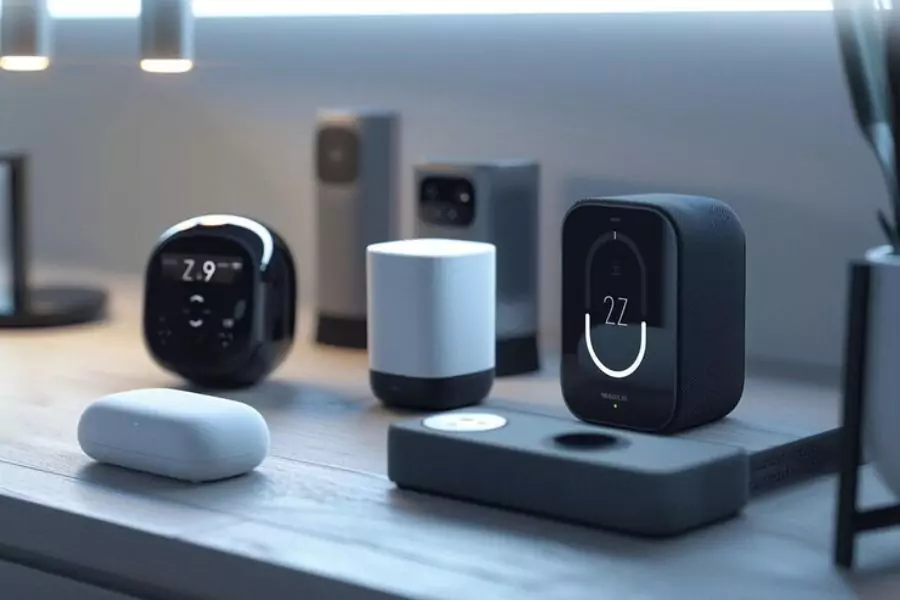
Smart Thermostats | Liebon
The days of manually adjusting your thermostat to maintain a comfortable temperature in your home are rapidly becoming a thing of the past. Thanks to the latest technology, smart thermostats are revolutionizing the way we manage temperature control in our homes. These innovative devices are equipped with advanced sensors and algorithms that learn your preferences and adjust the temperature accordingly. Not only do they improve your overall comfort level, but they also help you save on energy bills by optimizing your heating and cooling systems. In this article, we’ll explore the future of home climate control and how smart thermostats are leading the charge. From voice-activated controls to advanced data analytics, we’ll show you how these cutting-edge devices are changing the game for homeowners and paving the way for a more sustainable future.
History of Home Climate Control
Before we delve into the specifics of smart thermostats, it’s worth taking a brief look at the history of home climate control. The first thermostats were invented in the early 17th century and were primarily used to control the temperature in industrial settings. It wasn’t until the 1880s that thermostats began to be used in residential homes. Initially, these early thermostats were simple mechanical devices that relied on bimetallic strips to respond to changes in temperature. Over time, thermostats became more sophisticated, incorporating electronic sensors and digital displays.
Despite these advancements, however, traditional thermostats still rely on a fixed schedule to adjust the temperature. This means that if you forget to adjust the thermostat before leaving the house or if your schedule changes unexpectedly, your heating or cooling system will continue to operate as usual. This can result in wasted energy and higher utility bills.
Benefits of Smart Thermostats
Smart thermostats, on the other hand, are designed to be more responsive and intuitive. They use motion sensors and machine learning algorithms to detect when you’re home and adjust the temperature accordingly. Some models even incorporate geofencing technology to track your location and ensure that your home is at the desired temperature before you arrive.
One of the biggest benefits of smart thermostats is their ability to learn your preferences over time. By analyzing your usage patterns, these devices can automatically adjust the temperature to your liking without the need for manual intervention. This not only saves you time and hassle, but it also helps you save on energy bills by optimizing your heating and cooling systems.
Smart thermostats also offer a range of other features designed to improve your overall comfort level. For example, many models allow you to control the temperature using your smartphone or voice commands. This means that you can adjust the temperature from anywhere, at any time, without having to get up from your seat or even be in the same room as the thermostat.
Popular Smart Thermostat Brands and Models
There are now dozens of smart thermostat brands and models on the market, each with its own unique set of features and benefits. Some of the most popular brands include Nest, Ecobee, and Honeywell.
Nest, which was founded in 2010, is perhaps the best-known smart thermostat brand. Its flagship product, the Nest Learning Thermostat, uses machine learning algorithms to learn your preferences and adjust the temperature accordingly. It also features a sleek, modern design and a large, easy-to-read display.
Ecobee is another popular brand that offers a range of smart thermostat models. Its latest product, the Ecobee SmartThermostat, features a built-in Alexa voice assistant, which allows you to control the temperature using voice commands. It also has a range of sensors that can detect occupancy and adjust the temperature accordingly.
Honeywell, which has been in the thermostat business for over a century, also offers a range of smart thermostat models. Its latest product, the Honeywell Home T9, features geofencing technology, which can detect when you’re on your way home and adjust the temperature accordingly. It also offers a range of sensors that can detect occupancy and adjust the temperature accordingly.
Installation and Maintenance of Smart Thermostats
Installing a smart thermostat is typically a straightforward process that can be completed in just a few hours. However, it’s important to follow the manufacturer’s instructions carefully to ensure that the device is installed correctly and safely.
Once your smart thermostat is installed, it’s important to keep it maintained to ensure that it continues to operate effectively. This typically involves changing the air filter regularly and cleaning the device’s sensors to prevent dust and debris from interfering with their operation.
Smart Thermostats and Energy Efficiency
One of the key benefits of smart thermostats is their ability to improve energy efficiency. By optimizing your heating and cooling systems, these devices can help you save on energy bills and reduce your carbon footprint.
According to the US Department of Energy, smart thermostats can save homeowners up to 10% on heating and cooling costs. This is because they can adjust the temperature based on occupancy and usage patterns, which ensures that your heating and cooling systems are operating efficiently and effectively.
In addition to these energy savings, smart thermostats also offer a range of other sustainability benefits. For example, some models can integrate with renewable energy systems, such as solar panels, to further reduce your reliance on fossil fuels.
Future Developments in Smart Thermostat Technology
As smart thermostat technology continues to evolve, we can expect to see even more advanced features and capabilities. For example, some manufacturers are already experimenting with using artificial intelligence to optimize heating and cooling systems in real-time.
Other potential developments include the integration of smart thermostats with other smart home devices, such as smart lighting and smart appliances. This would allow homeowners to create a truly connected home environment that is optimized for comfort and energy efficiency.
Conclusion
Smart thermostats are revolutionizing the way we manage temperature control in our homes. By using advanced sensors and algorithms, these devices can learn your preferences and adjust the temperature accordingly, saving you time and money while also improving your overall comfort level. With a range of features and benefits, including voice-activated controls and advanced data analytics, smart thermostats are paving the way for a more sustainable future. As technology continues to evolve, we can expect to see even more advanced smart thermostat models that offer even greater energy savings and sustainability benefits.




At Liebon, we believe in empowering consumers with accurate information to make informed purchasing decisions. Our mission is to simplify the product comparison process, providing comprehensive reviews and insightful guides to help our readers find the best products that suit their needs and preferences.


